
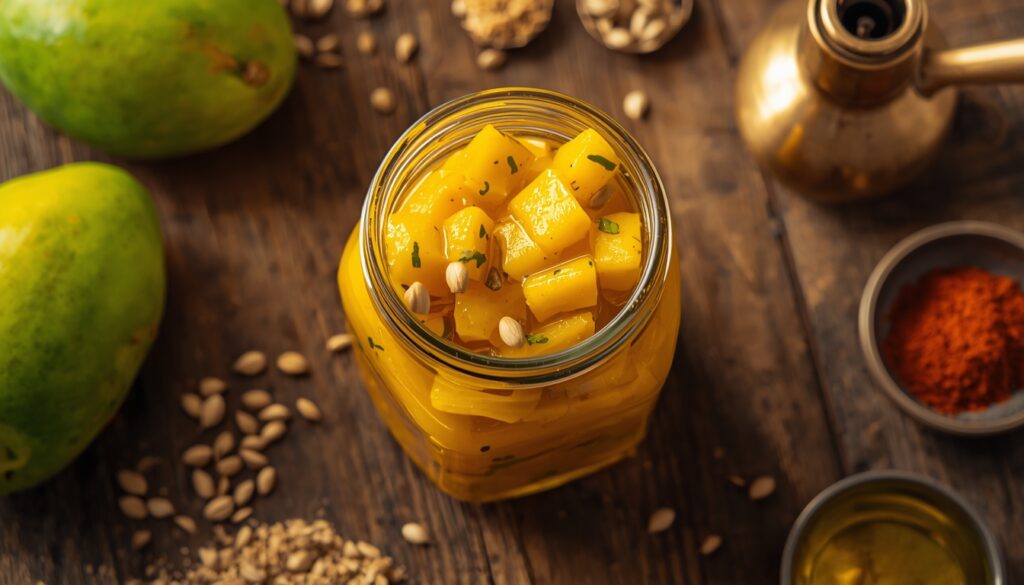
There’s something deeply nostalgic about the sharp, tangy aroma of mango pickle wafting through an Indian kitchen. Aam ka achar isn’t just a condiment—it’s a cultural artifact that has graced Indian dining tables for centuries. From humble village homes to urban apartments, this beloved accompaniment transforms simple meals into flavorful experiences. Mango pickle represents more than preserved fruit; it embodies tradition, family recipes passed down through generations, and the unmistakable taste of home that every Indian recognizes instantly.
The Cultural Significance of Aam Ka Achar in Indian Households
In Indian food culture, aam ka achar holds a position of reverence that few other condiments can claim. It’s the silent companion to dal-chawal, the perfect partner to parathas, and an essential element that completes the Indian thali. Across different regions, communities, and economic backgrounds, mango pickle serves as a common thread that unites the nation’s diverse culinary landscape.
Traditionally, the preparation of aam ka achar marks the arrival of summer and signals a time-honored ritual in Indian homes. Mothers and grandmothers gather raw mangoes, carefully selecting the firmest fruits for pickling. This annual tradition isn’t merely about food preservation—it’s a celebration of seasonal abundance and an opportunity for family bonding. Young children watch, learn, and eventually carry forward these precious recipes, ensuring that each family’s unique blend of spices and techniques survives across generations.
A Journey Through History: How Mango Pickle Became Iconic
The history of aam ka achar stretches back thousands of years, with references found in ancient Indian texts and scriptures. Before refrigeration existed, pickling emerged as a crucial method of food preservation, allowing communities to enjoy mangoes long after the harvest season ended. Indian households developed sophisticated techniques using salt, oil, and spices—natural preservatives that also enhanced flavor.
What began as a practical solution evolved into an art form. Different regions developed their distinctive styles, each reflecting local tastes, available spices, and climatic conditions. The pickle-making tradition became so integral to Indian culture that recipes were considered family heirlooms, closely guarded secrets that defined a household’s culinary identity.
Why No Indian Meal Feels Complete Without Mango Pickle
Ask any Indian about their food memories, and mango pickle will inevitably feature in their stories. There’s an emotional connection that transcends mere taste—it’s about comfort, familiarity, and belonging. A spoonful of aam ka achar can transport someone back to their childhood, to their grandmother’s kitchen, or to a simpler time.
The magic lies in its versatility. Mango pickle elevates the plainest curd rice into a satisfying meal. It adds excitement to simple rotis and sabzi. Even elaborate feasts feel incomplete without a small serving of this tangy delight. For Indians living abroad, a jar of homemade mango pickle from back home becomes a precious treasure, a tangible link to their roots and culture.
The Role of Aam Ka Achar in Regional Indian Cuisines
While mango pickle is universally loved across India, each region proudly claims its own authentic version. North Indian styles often feature robust, oil-rich preparations with prominent mustard and fenugreek notes. South Indian variations might incorporate curry leaves and more pronounced sourness. Eastern regions have their unique spice combinations, while Western India adds its own creative touches.
This regional diversity showcases India’s incredible culinary wealth. Yet despite these variations, the essence remains the same—aam ka achar represents tradition, patience, and the artistry of Indian home cooking. Each style tells a story about the land, climate, and people who created it.
Frequently Asked Questions
Why is mango pickle so popular in Indian culture?
Mango pickle represents tradition, nostalgia, and the taste of home for millions of Indians. Its popularity stems from centuries of culinary heritage, its ability to enhance simple meals, and the emotional connection families have with their unique recipes passed down through generations.
What makes aam ka achar different from other pickles?
Aam ka achar stands apart due to its perfect balance of tangy, spicy, and sometimes sweet flavors. The raw mango’s tartness combined with aromatic spices creates a complexity that other pickles rarely achieve, making it the most sought-after pickle variety in Indian cuisine.
Is mango pickle served with specific meals only?
No, mango pickle is remarkably versatile and accompanies virtually every Indian meal—from breakfast parathas to lunch thalis and dinner rotis. It pairs equally well with rice dishes, breads, snacks, and even simple curd, making it an all-purpose condiment.
Conclusion: Preserving Tradition, One Jar at a Time
Aam ka achar is more than a condiment—it’s a keeper of memories, a bridge between generations, and a symbol of Indian culinary heritage. In our fast-paced modern world, where convenience often trumps tradition, mango pickle reminds us of slower, more intentional ways of living and eating. For those seeking authentic, traditional flavors that honor this rich heritage, brands like Auralin Hills continue the time-honored practice of creating mango pickle the way it was always meant to be made—with patience, quality ingredients, and deep respect for tradition.
Why is mango pickle so popular in Indian culture?
Mango pickle represents tradition, nostalgia, and the taste of home for millions of Indians. Its popularity stems from centuries of culinary heritage, its ability to enhance simple meals, and the emotional connection families have with their unique recipes passed down through generations.
What makes aam ka achar different from other pickles?
Aam ka achar stands apart due to its perfect balance of tangy, spicy, and sometimes sweet flavors. The raw mango’s tartness combined with aromatic spices creates a complexity that other pickles rarely achieve, making it the most sought-after pickle variety in Indian cuisine.
Is mango pickle served with specific meals only?
No, mango pickle is remarkably versatile and accompanies virtually every Indian meal—from breakfast parathas to lunch thalis and dinner rotis. It pairs equally well with rice dishes, breads, snacks, and even simple curd, making it an all-purpose condiment.