
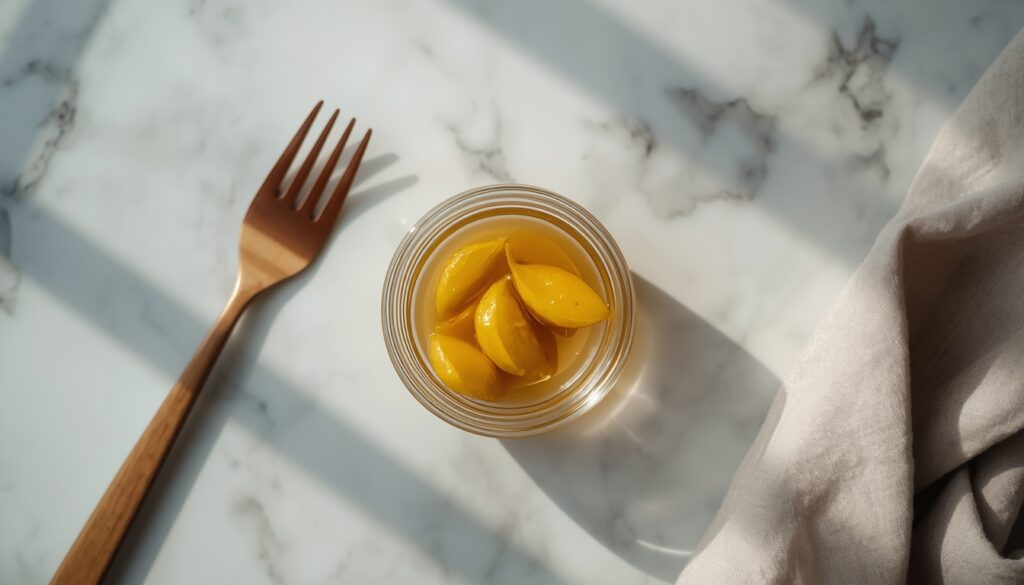
You’ve been enjoying pickled garlic with your meals—maybe a clove or two with lunch, another few with dinner. It tastes good, feels healthy, and you’ve heard garlic is great for you. But then a thought crosses your mind: am I eating too much? It’s a fair question, especially when something this flavorful becomes a daily habit. Let’s cut through the confusion and talk about how much pickled garlic is actually safe to eat every day, what happens when you overdo it, and how to enjoy it without worry.
Is It Safe to Eat Pickled Garlic Every Day?
Yes, eating pickled garlic every day is generally safe for most people—as long as you’re not turning it into a main course. Garlic has been a staple in traditional diets around the world for centuries, and pickling it doesn’t strip away its fundamental place in everyday eating. The key is treating it like a condiment or side, not a snack you finish by the jar.
That said, pickled garlic is different from raw garlic. The pickling process often involves oil, vinegar, salt, and sometimes sugar. These additions change how your body processes it, especially if you’re eating it in larger amounts. Daily consumption is fine when it’s balanced and mindful, but it does require a bit of self-awareness about portion size and quality.
How Much Pickled Garlic Is Safe Per Day?
A good rule of thumb is 2 to 4 cloves per day. This amount lets you enjoy the flavor and traditional benefits without overwhelming your digestive system or loading up on excess oil and sodium.
If your pickled garlic is sitting in a heavy brine or oil, even 2 to 3 cloves can come with a fair amount of added fat or salt. Pay attention to how it’s prepared. Lightly pickled garlic in a simple vinegar base is easier on your system than garlic soaking in flavored oils or heavily salted brines.
Think of it this way: if you wouldn’t drink the pickling liquid by the spoonful, you probably shouldn’t be eating a dozen cloves in one sitting either. Moderation keeps it enjoyable and safe.
What Happens If You Eat Too Much Pickled Garlic?
Eating too much pickled garlic won’t land you in the emergency room, but it can make your day uncomfortable. Here’s what tends to happen when you go overboard:
Digestive discomfort is the most common issue. Garlic is a potent food, and in pickled form, it can irritate your stomach lining if eaten in excess. You might feel bloated, gassy, or experience acid reflux—especially if the garlic is stored in oil.
Oil overload is another concern. Many commercial pickled garlic products sit in vegetable or seed oils that aren’t always high quality. Eating several cloves means you’re also consuming spoonfuls of that oil, which can upset your stomach and add unnecessary calories.
Sodium spike is worth mentioning too. Pickled foods are typically high in salt, and eating too much can leave you feeling puffy or thirsty. If you’re watching your blood pressure or sodium intake, this is something to keep in mind.
The bottom line: a few cloves won’t hurt you, but half a jar in one sitting probably will—at least for your digestion.
Does Pickled Garlic Cause Gas or Digestive Issues?
It can, yes. Garlic contains compounds that some people find harder to digest, particularly in larger quantities. When pickled, garlic retains much of this intensity, and for sensitive stomachs, even a small amount can trigger gas or bloating.
If you notice discomfort after eating pickled garlic, it doesn’t mean you have to avoid it completely. Try eating it with a full meal instead of on an empty stomach, and reduce your portion size. Some people also find that garlic pickled in vinegar is gentler than garlic stored in oil.
Everyone’s gut is different. Pay attention to how your body responds and adjust accordingly. If pickled garlic consistently bothers you, it might be worth switching to smaller servings or trying a different preparation method.
Who Should Be Careful While Eating Pickled Garlic Daily?
While most people can enjoy pickled garlic without issue, a few groups should be more cautious:
- People on blood thinners should talk to their doctor, as garlic can have mild blood-thinning effects.
- Those with acid reflux or GERD may find that garlic aggravates their symptoms, especially in pickled or oily forms.
- Anyone with a sensitive stomach should start small and see how they feel before making it a daily habit.
- People watching their sodium intake need to account for the salt content in most pickled garlic products.
If you fall into any of these categories, it doesn’t mean pickled garlic is off-limits—just approach it thoughtfully.
Final Thoughts: Enjoy Pickled Garlic the Right Way
Pickled garlic can absolutely be part of your daily routine, but only when eaten in moderation and prepared with care. Stick to 2 to 4 cloves per day, choose products made with quality ingredients, and avoid anything swimming in questionable oils or loaded with unnecessary additives.
Oil quality matters more than most people realize. Low-grade oils can go rancid, upset your stomach, and diminish the overall experience. If you’re eating pickled garlic regularly, it’s worth seeking out small-batch options made with cleaner ingredients. Auralin Hills, for example, focuses on balanced, thoughtfully prepared pickled garlic that’s easier on your system and better for daily enjoyment.
At the end of the day, pickled garlic should enhance your meals—not complicate your digestion. Eat it mindfully, pay attention to how you feel, and you’ll be able to enjoy it safely for the long haul.
FAQ: Pickled Garlic Consumption & Safety
Can I eat pickled garlic on an empty stomach?
It’s not recommended. Pickled garlic is acidic and potent, which can irritate your stomach lining when there’s no food to buffer it. This may lead to discomfort, acid reflux, or nausea. If you love starting your day with pickled garlic, eat it alongside breakfast rather than before.
How many cloves of pickled garlic equal one serving?
A typical serving is 2 to 3 cloves. This gives you the flavor and traditional benefits without overloading on oil, salt, or garlic’s intense compounds. If the cloves are particularly large or heavily brined, stick to 2.
Is pickled garlic as healthy as raw garlic?
Not exactly. Raw garlic contains allicin, a compound formed when garlic is crushed or chopped, which is often cited for its potential health properties. Pickling reduces allicin content, though pickled garlic still retains other beneficial compounds. The main trade-off is the added oil, vinegar, and salt from the pickling process.
Can pickled garlic cause bad breath?
Yes, definitely. Pickled garlic can cause strong breath just like raw garlic, though some people find it slightly milder. If you’re concerned about garlic breath, eat it with meals, chew fresh parsley afterward, or brush your teeth. The smell typically fades within a few hours.
Does pickled garlic go bad? How can I tell?
Yes, pickled garlic can spoil, especially if stored improperly. Signs it’s gone bad include a foul smell, mold, discoloration, or a slimy texture. If the oil looks cloudy or separated in an unusual way, that’s also a red flag. Always store pickled garlic in the refrigerator after opening and consume it within the recommended timeframe on the label.
Can I eat pickled garlic if I’m pregnant?
In moderation, yes. Pickled garlic is generally safe during pregnancy when eaten in small amounts as part of a balanced diet. However, avoid consuming it in large quantities due to its high sodium content and potential digestive discomfort. If you have specific health concerns or a high-risk pregnancy, consult your doctor first.
Will eating pickled garlic every day boost my immune system?
While garlic has been traditionally valued in many cultures for supporting overall wellness, pickled garlic shouldn’t be relied upon as a cure or immune booster. The pickling process alters its compounds, and no single food can guarantee immune protection. Eating pickled garlic as part of a varied, balanced diet is a reasonable approach—just don’t expect miracles.
Can pickled garlic cause heartburn?
Yes, it can, especially if you’re prone to acid reflux or GERD. The combination of garlic’s natural intensity and the acidic pickling liquid can trigger heartburn in sensitive individuals. If this happens to you, try eating smaller portions, avoiding it on an empty stomach, or switching to a milder preparation.
Is it better to eat pickled garlic in oil or vinegar?
Vinegar-based pickled garlic is generally lighter and easier to digest. It’s lower in calories and less likely to cause stomach upset. Oil-based pickled garlic is richer and more calorie-dense, and the quality of oil matters significantly—low-quality oils can go rancid or irritate your gut. Choose based on your digestion and dietary preferences.
Can kids eat pickled garlic?
Yes, in very small amounts. Pickled garlic is quite strong, and most children won’t enjoy the intense flavor anyway. If you’re introducing it to kids, start with half a clove and see how they react. Avoid giving it to toddlers or young children due to choking risk and their sensitive digestive systems.
Does pickled garlic help with high blood pressure?
Some studies suggest raw garlic may support cardiovascular health, but pickled garlic is different due to reduced allicin levels and added sodium. If you have high blood pressure, the salt content in pickled garlic could actually be counterproductive. Don’t rely on it as a remedy—focus on a well-rounded diet and follow your doctor’s advice.
How long does pickled garlic last once opened?
When stored properly in the refrigerator, pickled garlic typically lasts 3 to 6 months after opening. Always use a clean utensil when scooping out cloves to avoid contamination, and make sure the garlic remains submerged in the brine or oil. Check for spoilage signs regularly.
Can I make pickled garlic at home safely?
Yes, but you need to follow proper food safety guidelines. Garlic stored in oil at room temperature can develop botulism, a serious form of food poisoning. Always refrigerate homemade pickled garlic, use clean equipment, and consume it within a few weeks. If you’re unsure about the process, it’s safer to buy from reputable small-batch producers who follow strict safety standards.