
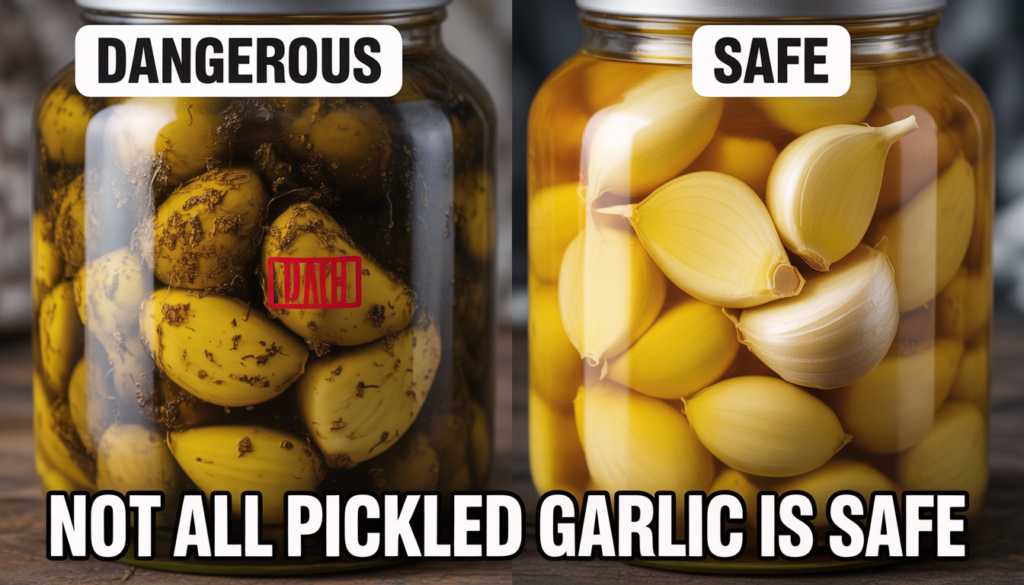
You’ve probably heard that pickled garlic is great for your health. Maybe you’ve even added it to your daily meals, thinking you’re doing your body a favor. But here’s the thing—not all pickled garlic is created equal. In fact, depending on how it’s made, the very product you’re eating might be working against you. Before you take another bite, let’s talk about the real benefits of pickled garlic, when it’s actually healthy, and when it becomes just another oily mistake sitting in your kitchen.
What Is Pickled Garlic and Why Is It So Popular?
Pickled garlic is raw garlic cloves preserved in a brine or oil, often with spices and vinegar. It’s been used in traditional diets for centuries, especially in Asian and Mediterranean cuisines, where fermentation and preservation were essential before refrigeration existed.
Today, it’s popular because it’s milder than raw garlic, easier to digest, and brings a tangy punch to salads, rice bowls, and curries. But popularity doesn’t always mean purity. The way pickled garlic is prepared today can strip away its benefits—or worse, add unnecessary risks.
Benefits of Pickled Garlic for Daily Diet
When made correctly, the benefits of pickled garlic are real and worth your attention.
Easier on Digestion: Unlike raw garlic, which can irritate the stomach lining, pickled garlic is gentler. The pickling process softens the sharpness, making it easier to eat regularly without the burn.
Traditional Gut Support: In many cultures, fermented or pickled foods like garlic are believed to support digestion and balance gut flora. While it’s not a probiotic powerhouse, it does offer a milder way to include garlic’s compounds in your diet.
Antimicrobial Properties: Garlic naturally contains allicin and sulfur compounds known for their antimicrobial effects. Pickling doesn’t eliminate these entirely, though the potency may reduce slightly.
Convenient and Shelf-Stable: Pickled garlic lasts longer than fresh garlic and requires no prep. It’s ready to eat, which makes daily use more practical.
But here’s where things get tricky—these benefits only apply when the garlic is pickled with care, not drowned in low-quality oil.
Is Pickled Garlic Healthy for Everyone?
Not quite. Even though the benefits of pickled garlic sound appealing, there are situations where it may not suit everyone.
Overconsumption Can Backfire: Eating too much pickled garlic, especially if it’s oil-heavy, can lead to bloating, acid reflux, or digestive discomfort. Moderation is key.
Oil Quality Matters More Than You Think: Most store-bought pickled garlic is soaked in refined oils that oxidize over time. These oils can become rancid, especially when exposed to light and heat during storage or transport. Rancid oil doesn’t just taste off—it may stress your digestive system.
Not All Pickling Methods Are Equal: Some commercial brands use chemical additives, artificial preservatives, or low-quality ingredients to extend shelf life. These shortcuts compromise the very benefits you’re hoping to get.
If you’re eating pickled garlic daily, the source and preparation method matter just as much as the garlic itself.
Why Oil-Based Market Pickled Garlic Can Be Harmful
Let’s be honest—most pickled garlic you find in stores comes swimming in oil. And while oil can preserve garlic, it also introduces risks that many people overlook.
Excess Oil Load: When garlic is pickled in too much oil, you’re consuming far more fat than necessary. Over time, this can contribute to sluggish digestion and calorie overload without adding real nutritional value.
Oxidation and Rancidity: Oils, especially when stored improperly, can oxidize. Rancid oil has an unpleasant smell and taste, but more importantly, it may create free radicals that your body has to deal with.
Masking Poor Quality: Heavy oil often hides the true quality of the garlic and brine. If the garlic itself is old, discolored, or chemically treated, thick oil makes it harder to tell.
This doesn’t mean all oil-based pickled garlic is bad—but it does mean you need to be selective.
How to Choose the Right Pickled Garlic
If you want the true benefits of pickled garlic, here’s what to look for:
Small-Batch Production: Smaller producers often prioritize quality over quantity. They use fresh garlic and traditional methods that respect the original preparation.
Balanced Oil Use: The oil should complement the garlic, not drown it. Look for products where the garlic is visible, firm, and evenly coated—not floating in a greasy jar.
No Chemical Aftertaste: Good pickled garlic should taste clean and tangy, not artificial or overly salty. If it smells sharp or metallic, that’s a red flag.
Traditional Preparation: Pickled garlic made the old way—with natural fermentation or simple brine—tends to be safer and more effective than mass-produced versions loaded with shortcuts.
Conclusion
The benefits of pickled garlic are real—but only when it’s made right. When you choose pickled garlic that’s carefully prepared, with balanced oil and fresh ingredients, you’re getting a flavorful, digestive-friendly addition to your meals. But when you settle for cheap, oil-heavy versions made with questionable methods, you might be doing more harm than good.
Quality matters. Don’t treat pickled garlic like just another condiment. Treat it like what it is—a traditional food that deserves respect in how it’s made and consumed.
If you’re serious about adding pickled garlic to your diet, consider Auralin Hills—a small-batch, traditionally prepared option that uses balanced oil and no unnecessary chemicals. It’s the kind of product that honors both flavor and your health, so you can enjoy the benefits of pickled garlic without the worry.
Frequently Asked Questions About Pickled Garlic
1. What are the main benefits of pickled garlic?
The benefits of pickled garlic include easier digestion compared to raw garlic, traditional gut support, antimicrobial properties, and convenience. When prepared properly with balanced oil and natural ingredients, it can be a healthy addition to your daily diet.
2. Is pickled garlic as healthy as raw garlic?
Pickled garlic is gentler on the stomach and easier to consume regularly, but some of raw garlic’s potent compounds may reduce slightly during pickling. However, it still retains beneficial sulfur compounds and is a practical way to enjoy garlic’s properties without the harsh burn.
3. Can I eat pickled garlic every day?
Yes, but in moderation. One to three cloves daily is generally safe for most people. Overconsumption, especially of oil-heavy varieties, can lead to digestive discomfort, bloating, or acid reflux.
4. Why is oil-based pickled garlic considered risky?
Excess oil can oxidize over time, especially if stored improperly. Rancid oil may cause digestive stress and doesn’t add nutritional value. Additionally, too much oil increases unnecessary calorie and fat intake.
5. How do I know if my pickled garlic has gone bad?
Signs include a foul or rancid smell, discolored garlic, slimy texture, or an off taste. If the oil smells metallic or the garlic looks mushy, it’s best to discard it.
6. Is pickled garlic good for immunity?
Garlic contains natural antimicrobial compounds that may support immune health. While pickling reduces some potency, pickled garlic can still contribute to overall wellness when consumed as part of a balanced diet.
7. What should I look for when buying pickled garlic?
Choose small-batch products with balanced oil, no chemical additives, firm and fresh-looking garlic, and traditional preparation methods. Avoid jars where garlic is drowning in excessive oil or has an artificial smell.
8. Can pickled garlic help with digestion?
Yes, pickled garlic is milder than raw garlic and easier on the stomach lining. In traditional diets, it’s believed to support digestion and gut balance, though it’s not a probiotic like fermented foods such as kimchi or sauerkraut.