
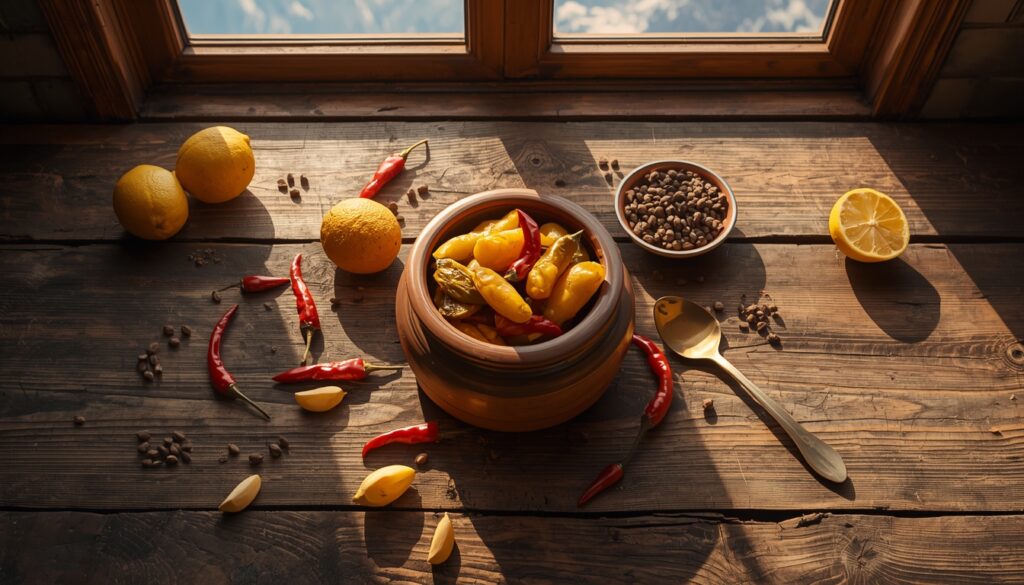
In the heart of the Himalayas, where mountains meet mist and traditions are preserved like treasures, there exists a culinary heritage that has been passed down through generations. Pahadi pickle is not just a condiment—it is a story of slow kitchens, sun-drenched courtyards, and the careful hands of mountain women who know that good food cannot be rushed. Made with local ingredients and time-honored methods, this traditional pickle carries the soul of the hills in every spoonful.
What Is Pahadi Pickle?
Pahadi pickle refers to pickles prepared in the traditional style of the Himalayan regions, particularly in Uttarakhand and Himachal Pradesh. The word “pahadi” means “of the mountains,” and these pickles stay true to that identity. Unlike commercial varieties, homemade pahadi pickle is made using ingredients sourced from the hills—such as wild lemons, local chilies, timur (Sichuan pepper), jambu (a citrus fruit), and regional spices like ajwain and fenugreek.
The preparation follows age-old techniques where patience plays a central role. Ingredients are cleaned, sun-dried, and mixed with mustard oil and spices, then left to mature over weeks. The result is a pickle that is robust, aromatic, and full of character—a true reflection of the region it comes by.
Why Pahadi Pickle Is Different from Regular Pickles
The difference between pahadi pickle and regular store-bought pickles is not subtle—it is profound.
Ingredients: Traditional pahadi pickle relies on seasonal, locally grown produce. There are no artificial preservatives, synthetic colors, or flavor enhancers. In contrast, many commercial pickles use standardized ingredients and additives to extend shelf life.
Oil Usage: Pahadi pickles are typically prepared with pure mustard oil, which is both a preservative and a flavor carrier. The oil is generously used, allowing the spices to infuse deeply. Market pickles often use refined oils or reduce oil content to cut costs.
Preparation Process: Pahadi pickles are made in small batches, with attention to detail at every step. The slow curing process allows flavors to develop naturally. Mass-produced pickles, on the other hand, are made in large quantities using faster methods that prioritize consistency over depth.
Taste and Aroma: The taste of pahadi pickle is bold, tangy, and layered. Each bite offers a complexity that comes from natural fermentation and the marriage of mountain spices. Regular pickles can taste flat or one-dimensional in comparison.
Pahadi Pickle Benefits for Everyday Diet
While pahadi pickle is primarily enjoyed for its flavor, it also fits well into a balanced diet when consumed mindfully.
It supports digestion, thanks to spices like fenugreek, cumin, and mustard seeds, which have been traditionally used to aid the digestive process. The use of natural ingredients means you are not consuming unnecessary chemicals or synthetic additives. Pahadi pickles are also made with nutrient-rich mustard oil, which has been a staple in Indian kitchens for centuries.
However, it is important to remember that pahadi pickle is meant to be enjoyed in small quantities—just a teaspoon or two with a meal. It is a condiment, not a main dish, and moderation is key.
How Pahadi Pickle Is Traditionally Made
The making of traditional pahadi pickle is almost ritualistic. It begins with selecting fresh, seasonal produce—often fruits like lemon, amla, or jambu, or vegetables like radish and garlic. These are washed, dried under the sun, and sometimes left to wilt slightly to reduce moisture.
Next, they are mixed with a blend of roasted and ground spices, along with generous amounts of mustard oil. The mixture is then transferred to clean ceramic or glass jars and left to rest in sunlight for several days. This sun-curing process is essential, as it allows the flavors to mature and the ingredients to preserve naturally.
Small-batch preparation ensures that each jar receives the care it deserves. There is no rush, no shortcuts—only time, tradition, and trust in the process.
How to Consume Pahadi Pickle the Right Way
Pahadi pickle is best enjoyed as a side with traditional meals like rice, roti, or parathas. A small amount goes a long way, adding a burst of flavor to even the simplest dishes.
It is recommended to consume no more than a teaspoon per meal, especially for those monitoring their salt or oil intake. People with specific dietary restrictions or health conditions should consult their preferences before making it a daily habit.
Store the pickle in a cool, dry place, and always use a clean, dry spoon to avoid contamination.
FAQs
Is pahadi pickle different from regular Indian pickles?
Yes, pahadi pickle uses regional Himalayan ingredients and traditional slow-curing methods, making it more authentic and flavorful compared to mass-produced varieties.
Can I eat pahadi pickle every day?
You can enjoy it daily in moderation—about a teaspoon with meals is ideal.
Does chemical-free pahadi pickle last long?
Yes, when prepared with proper oil and spice ratios and stored correctly, it can last for months without refrigeration.
Conclusion
Pahadi pickle is more than food—it is a tradition that connects us to the mountains, to the hands that made it, and to the flavors that define a region. In a world of mass production and shortcuts, it stands as a reminder that some things are worth the wait. If you are looking for authentic pahadi-style pickle made in small batches, brands like Auralin Hills focus on preserving traditional Himalayan flavors with care and integrity.